
Meet the Team
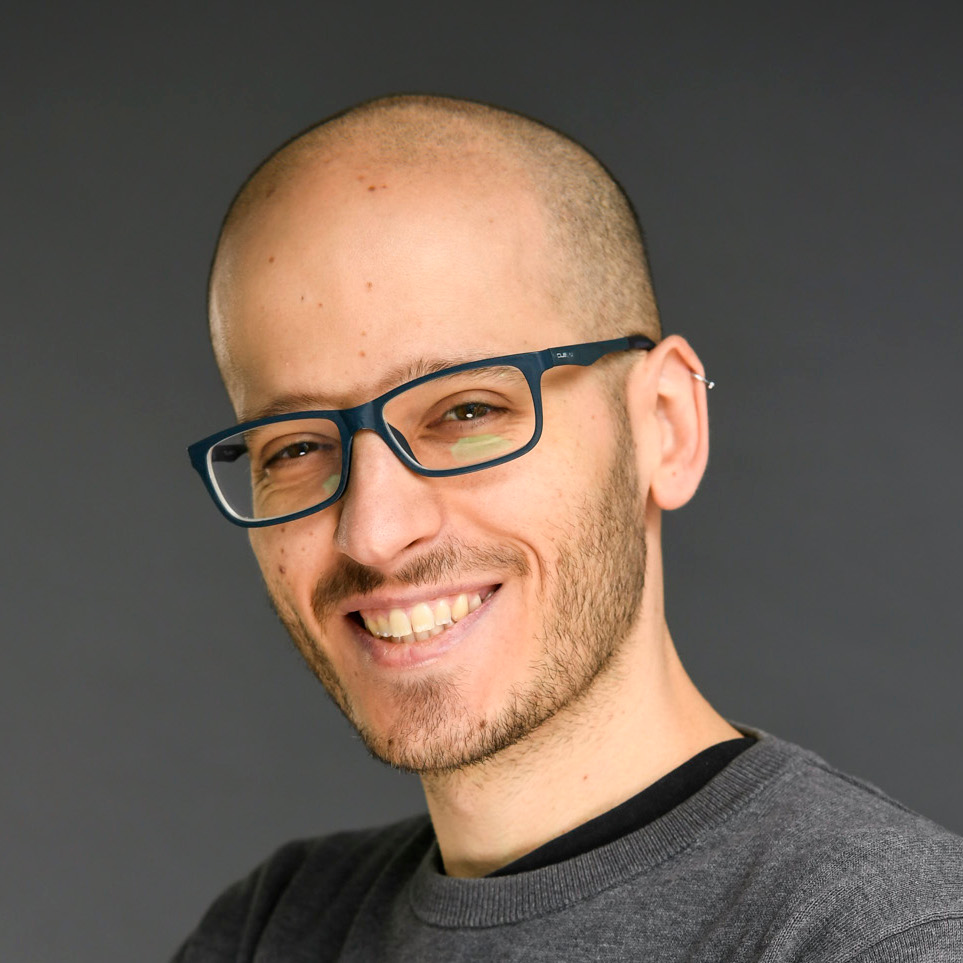
Carlos enjoys science, crafts, and art, and sometimes combines them into a gadget like the Qbead. He also likes mentoring and contributing to diversity in science and engineering, for example through organizing science-art workshops with asylum seekers in Sweden and the quantum hackathon iQuHACK at MIT. Now at QuTech in Delft University of Technology, Carlos is a professor exploring quantum photonics while he continues to lead outreach projects to democratize science and technology.
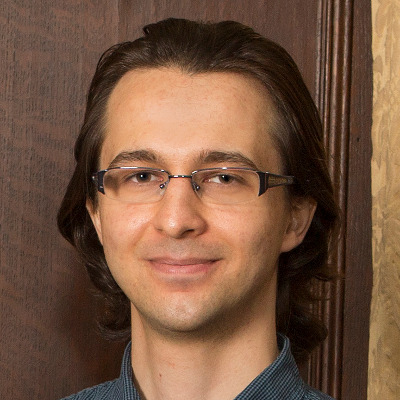
Since high school Stefan has enjoyed sharing the wonders of science with others, organizing extraculicular courses and summer break Physics events. While a graduate student at Yale's Quantum Institute he felt most at home in Yale's makerspace, preparing contraptions to be used in middle- and high-school outreach events. He continued his research work on photonic quantum computers jointly at MIT and Harvard, but spends much of his free time designing hands-on outreach materials, including the SpinWheel. Now, as a professor at UMass Amherst, he is designing the Qbead as a way to bring the maker ethos to teaching Quantum Information Science.
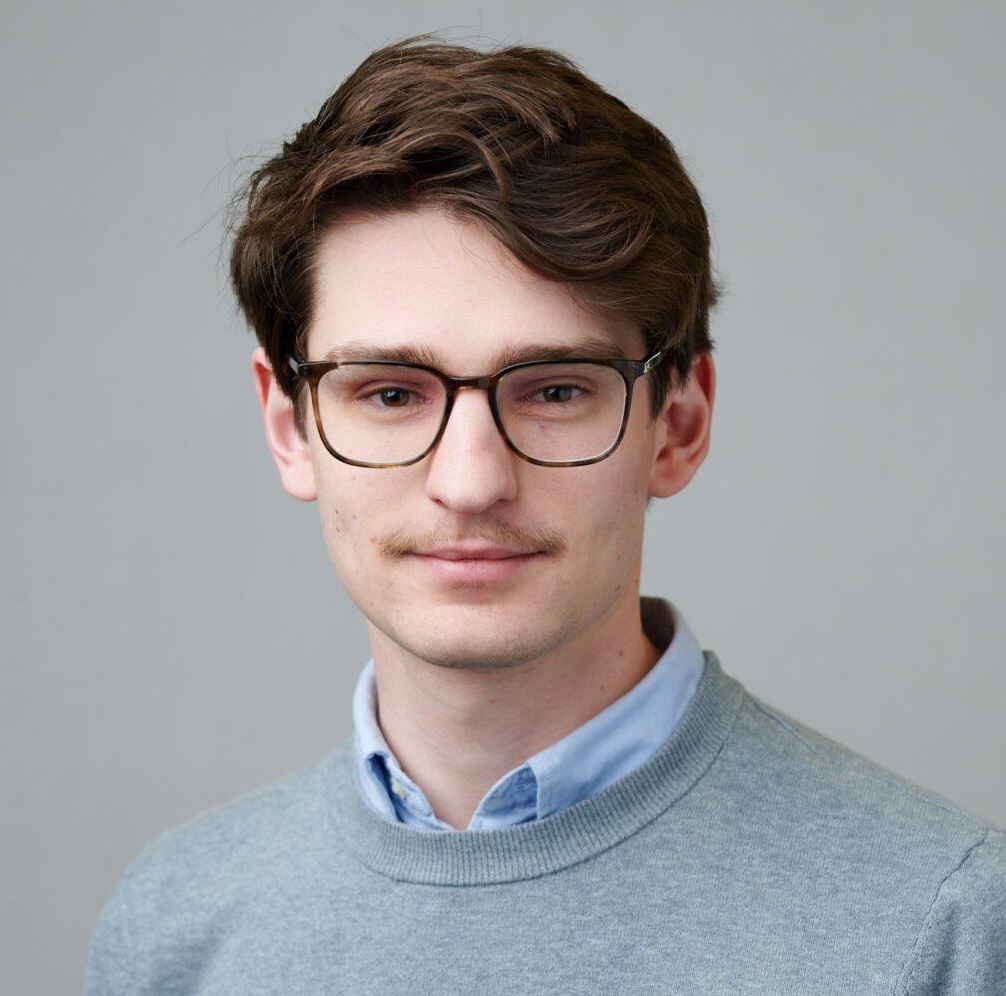
Benjamin has always been fascinated by the way the abstract world can meet the real world. That is why he is now pursuing a PhD in experimental physics, using quantum mechanics for real-world applications such as quantum computing. He also has a passion for teaching, and finding ways of explaining abstract concepts in a way that is understandable for anyone. That is also why he is helping with developing the qbead. He is currently a graduate student at Delft University of Technology in the Netherlands.
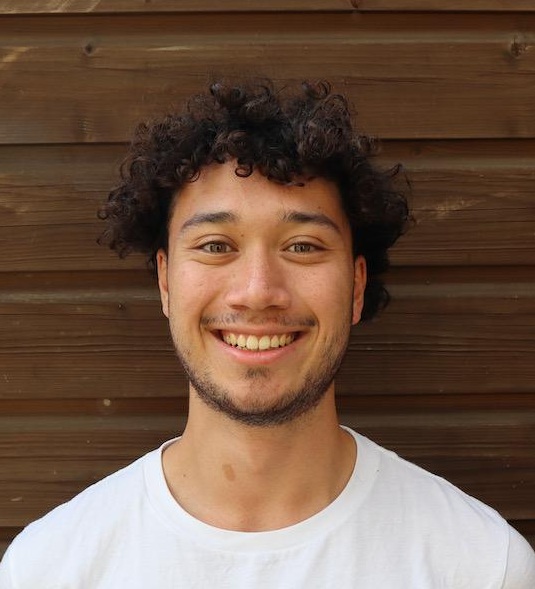
Tobi believes that science and art bring people together. Through this Qbead project, he hopes to familiarize society with quantum technologies. He is currently a PhD candidate at QuTech in Delft University of Technology in the Taminiau lab, where he is researching color centers in silicon carbide as a quantum information processing platform.
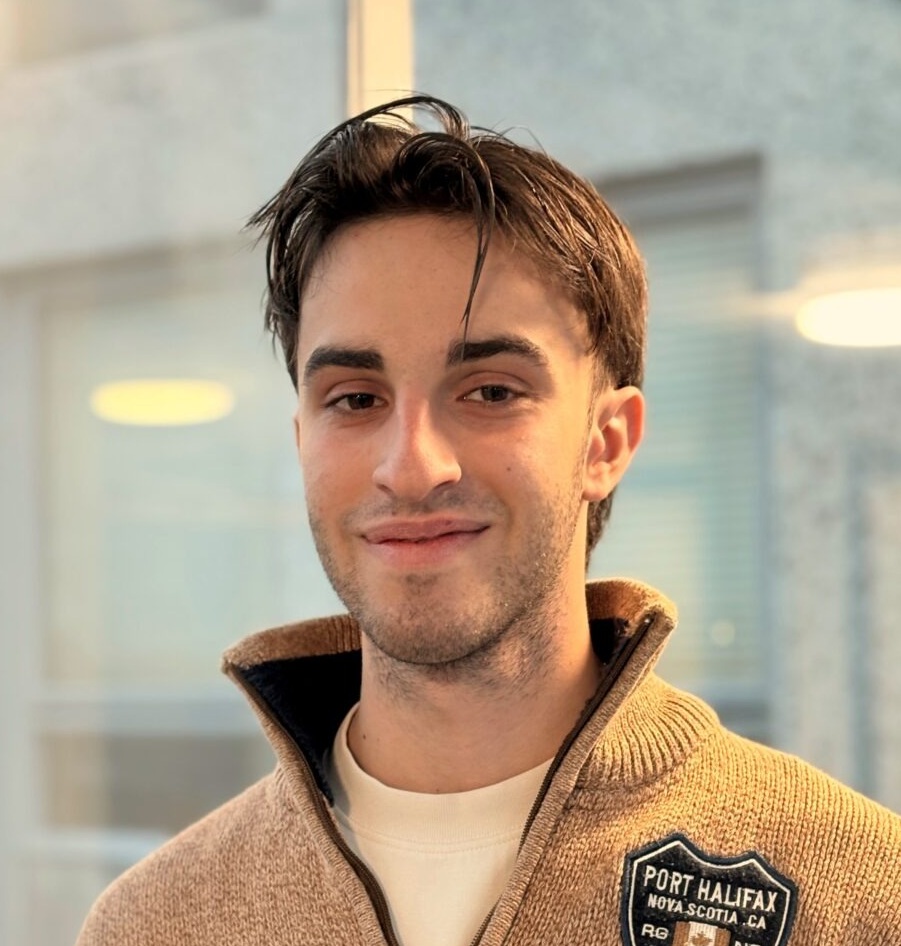
Federico started as a Computer Science and Engineering student at TU Delft before transitioning to Applied Physics, a direction he plans to continue in graduate school. Alongside his studies, he does research on color centers and integrated photonics at QuTech. He is also passionate about hands-on technologies and scientific outreach, and contributes to the development of the Qbead with the goal of making quantum information science accessible to everyone.
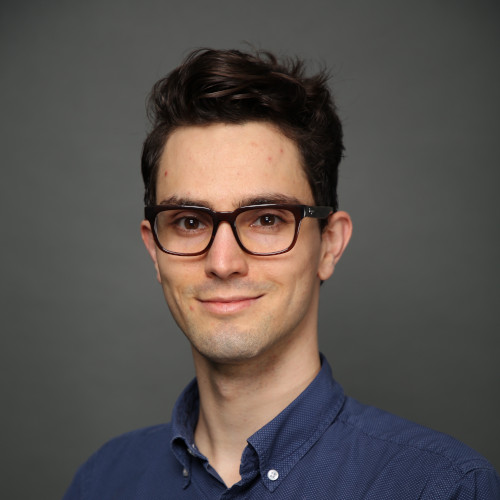
Hugo appreciates taking part in various efforts promoting higher education in STEM to various communities. Since his undergraduate studies at the University of Ottawa, these have included participation in the university's mini-courses program and engaging with elementary school students about being a grad student. He graduated his PhD from MIT and is currently a postdoctoral researcher at EPFL.
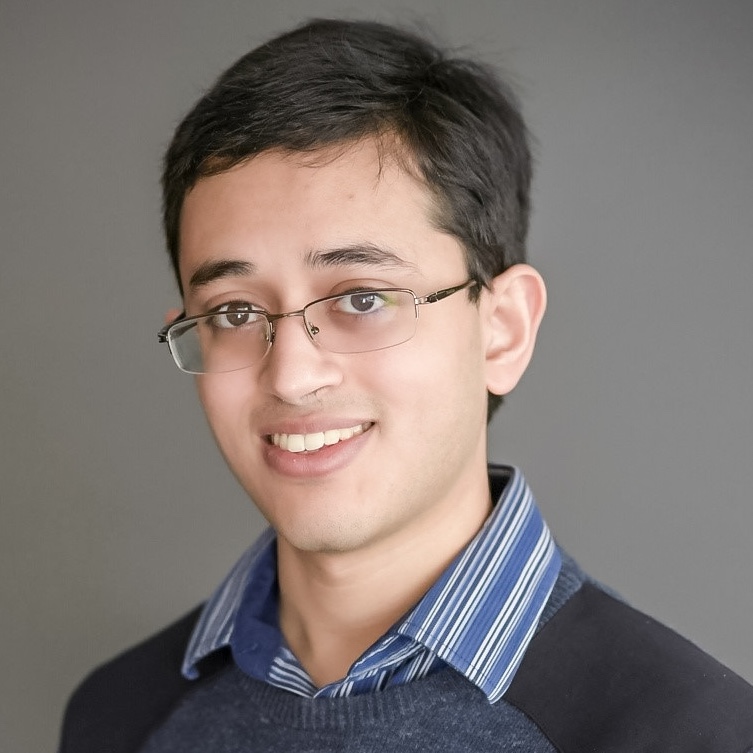
Saumil has always held a fascination for building things. As a graduate student at MIT, Saumil worked on silicon photonics, where he spent a great deal of time hacking together electronics and microcontrollers to run his experiments. He also enjoys teaching and has helped develop several courses and hands-on labs to introduce students to photonic hardware. Saumil is now a postdoc jointly at MIT and NTT Research, where he has continued his research at the intersection of optics and computing. He hopes to share his love of building hardware through the Qbead and inspire the next generation of quantum scientists and engineers.
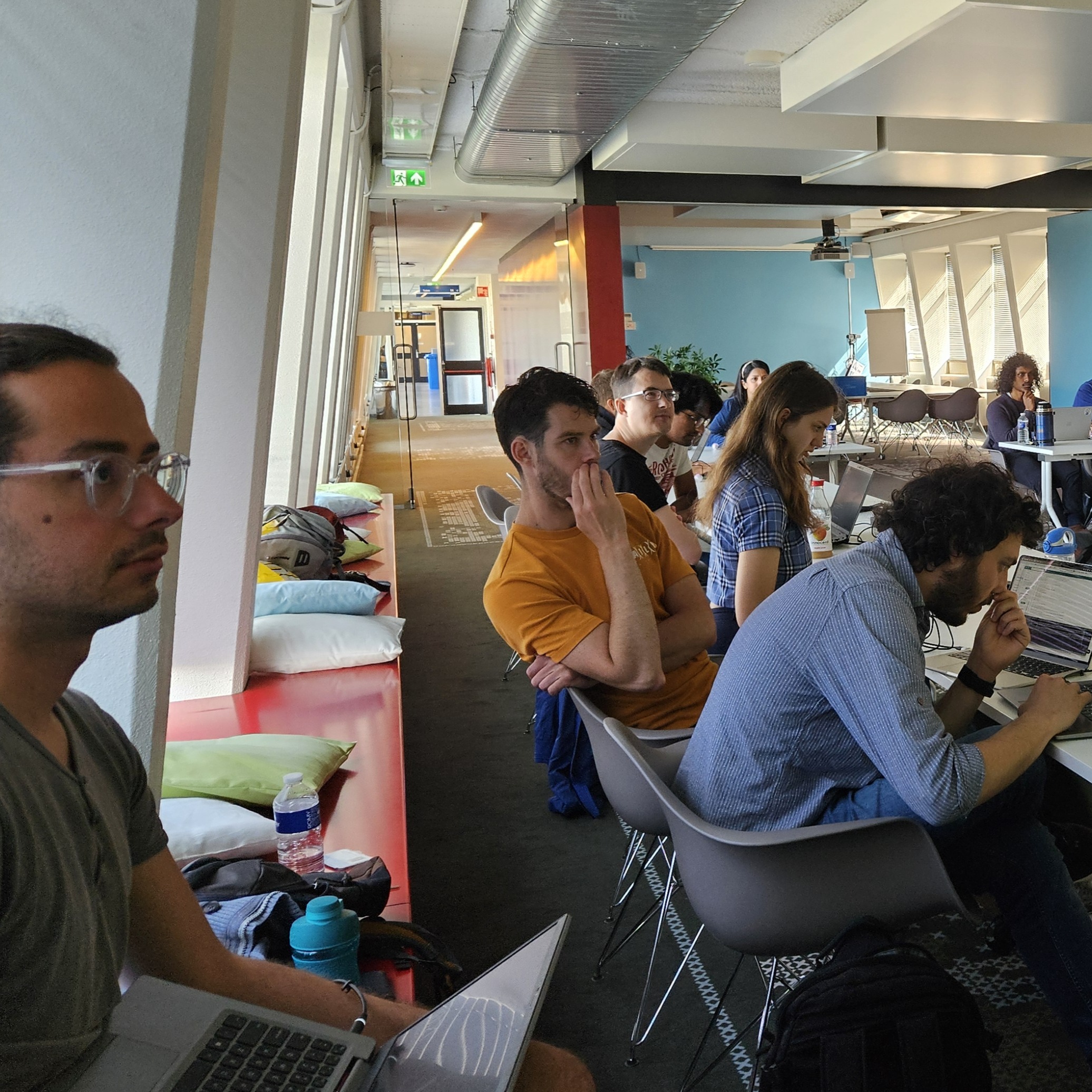
Many more people have contributed to the Qbead in various ways, through coding experiments in hackathons,
building Qbeads (sometimes in exchange of pizza), 3D printing parts, reporting bugs, placing orders, or giving ideas.
This includes PhD, Bachelors', and Masters' students from TU Delft, engineers, and many other people.
An incomplete list of people includes: Nicolas Demetriou, Laurens Feije, Yannick van der Linden, Pablo Cova Farina, Elena Volkova, Jan Riegelmeyer, etc.
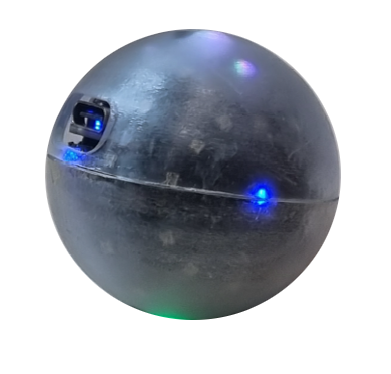
Do you like the Qbead and want to contribute? We are searching for contributors! You can do that directly by contributing on our github page. If you plan on regularly contributing, please write us an email and we will set up a meeting.